Moving to College Station, TX: A Practical 2026 Guide
College Station is a city of about 126,000 people organized almost entirely around one institution. Texas A&M sets the calendar, the housing market, the traffic patterns, and the rhythm of the whole town. Understanding that is most of what you need to know before moving here.
The Bryan-College Station metro runs roughly 268,000 people and is the fifteenth largest in Texas. You are 83 miles northwest of Houston and 87 miles east-northeast of Austin, which puts you within a comfortable drive of two major metros without living in either.
Here is the practical picture.
What It Costs
College Station runs about 14 to 16 percent below the national average cost of living, which surprises people who assume a university town carries a premium.
Median Home Value
Typical 2026 figure: $335,000 to $355,000
Average Apartment Rent
Typical 2026 figure: $1,791
Studio Apartment
Typical 2026 figure: Around $1,215
One-Bedroom Apartment
Typical 2026 figure: Around $1,193
Two-Bedroom Apartment
Typical 2026 figure: Around $1,461
Three-Bedroom Apartment
Typical 2026 figure: Around $2,115
Monthly Total (Single Person)
Typical 2026 figure: Roughly $2,131
Monthly Total (Family of Four)
Typical 2026 figure: Roughly $4,692
Texas has no state income tax, which is a meaningful part of the math. Property taxes in Brazos County pick up the difference, so run the full carrying cost on any home you are considering rather than just the mortgage payment.
Home prices have been climbing steadily, up more than 5 percent year over year recently, driven by continuous university growth and a steady inflow of faculty, professionals, and retirees. Homes commonly sell in 20 to 35 days.
Neighborhoods Worth Knowing
South Knoll. Established, quiet, mature trees, close to campus. Popular with faculty and families who want a short commute without student-density noise.
Southwood Valley. Larger, older, and generally the most affordable established neighborhood inside city limits. Good value if you can look past mid-century floor plans.
Pebble Creek. Golf course community on the southeast side. Higher price point, larger lots, established and quiet.
Castlegate and Castlegate II. Newer master-planned construction on the west side. Popular with families relocating from larger metros who want new build quality.
The Barracks. Townhomes and casitas near campus with heavy amenity investment. Very popular with students and student-housing investors, which means high activity and high turnover. Great returns, less peace and quiet.
Wolf Pen Creek. Central, close to the entertainment district and the greenway trail system. Good for people who want to be near things.
Bryan. Worth mentioning even though it is a separate city. Downtown Bryan has become genuinely good, historic housing stock is cheaper, and you are still ten to fifteen minutes from campus.
The Thing Nobody Tells You: The August and May Problem
This is the single most important practical fact about moving to College Station, and almost no relocation guide mentions it.
The entire local housing market turns over twice a year on the university calendar. Leases overwhelmingly start in August. Tens of thousands of students arrive within about a two-week window, and a comparable number leave in early May.
What This Means for You
Prices spike in the two weeks around move-in. Truck rental, movers, cleaning services, and storage all cost more in late July and August than at any other time of year. If your timing is flexible at all, moving in October or February will save you real money.
Availability collapses. Try to book a moving truck for the third week of August and you will discover that everyone else already did. The same applies to storage units, which run near full occupancy in College Station during peak season.
Traffic is a different city for two weeks. Texas Avenue, University Drive, and Wellborn Road all become genuinely difficult. Plan your move truck route accordingly.
Football Saturdays. Seven or eight times a fall, roughly 100,000 people come to Kyle Field. Do not schedule a move, a closing, or anything requiring a truck on a home game Saturday.
What Living Here Is Actually Like
The quality of life is high and the reasons are not complicated: short commutes, low crime relative to Texas metros, an unusually educated population, strong public schools, and a parks and trails system that gets used.
The food scene has grown well past what a town this size would normally support, thanks to the university. The Wolf Pen Creek amphitheater, Lake Bryan, and the Brazos Valley Museum cover the culture side. Health care is genuinely good for a market this size, anchored by Baylor Scott and White and CHI St. Joseph.
The weather is the main complaint. Summers are long and humid, with sustained 90s from June through September. Winters are mild. Expect meaningful air conditioning costs and an unusually short window for comfortable outdoor work.
Where the Money Gets You in Trouble
Two places, mostly.
Buying Too Close to the Student Market
A property that cash-flows beautifully as a student rental is often a difficult place to raise a family. Look carefully at what is around a listing before you fall in love with the house itself.
Underestimating the Timing Gap
Closing dates and lease dates in a market this seasonal rarely line up cleanly. A large share of people moving here need somewhere to put their belongings for a few weeks between places, and they figure that out late.
Storage During a College Station Move
Storage in College Station is expensive, and the reason is simple supply and demand. A town with 70,000-plus students who all move on the same two weeks of the year creates enormous seasonal pressure on a fixed number of units.
The published numbers reflect it. A 10x10 in College Station averages roughly $132 per month across facilities, and at the national brands a 10x10 commonly runs $134 to $187. A 10x20 starts around $139 at the cheapest facilities and averages $216 to $301 at the majors. Climate-controlled units average $170 to over $300 depending on the operator.
There are two ways around this.
Move Outside Peak Season
Move outside peak season if you can. Rates and availability are dramatically better in the fall and winter.
Look Just Outside the City
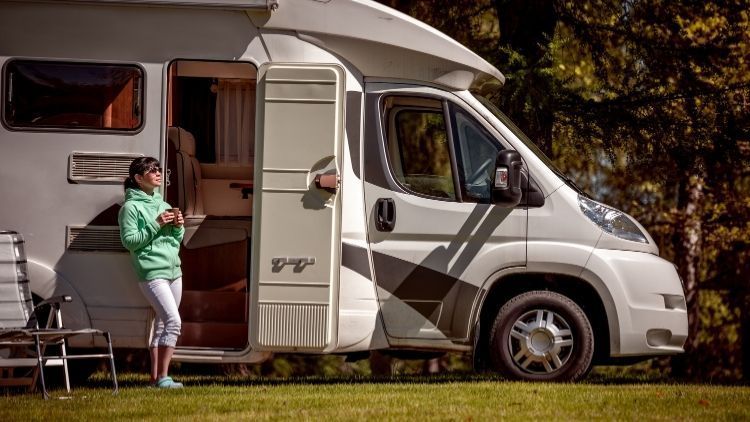
Storage prices drop sharply the moment you leave the College Station market. 159 Self Storage in Navasota, about twenty minutes south on Highway 6, rents a 10x10 for $79 per month and a 20x10 for $124, with 50 percent off the first three months. Outdoor RV and boat parking starts at $55.
If you are storing for a semester, a summer, or the gap between closing dates, the drive is worth it. If you need daily access to your unit, stay in town and pay the premium. That is the honest tradeoff.
Quick Relocation Checklist
- Time your move outside late July through August if you possibly can.
- Get a truck and storage reserved six to eight weeks ahead for a summer move.
- Check the Texas A&M home football schedule before setting a move date.
- Run full property tax numbers, not just the purchase price.
- Drive your prospective commute at 8:00 AM on a weekday before you sign.
- Confirm internet service at the specific address if you work remotely.
- Compare storage rates outside city limits before booking in town.
Need Storage for Your College Station Move?
159 Self Storage is twenty minutes south in Navasota with:
- 24-hour gated access
- Boat and RV parking
- 50 percent off your first three months
- Units from $39 per month
See Available Units | Call (936) 510-8609